

Ask EKA
Cultural intelligence, deep lineage knowledge, and verified source-backed answers across world traditions.
Featured Cultural Investigations
Curated editorial research topics grounded in verified archives, genuine citations, and primary field documentation.
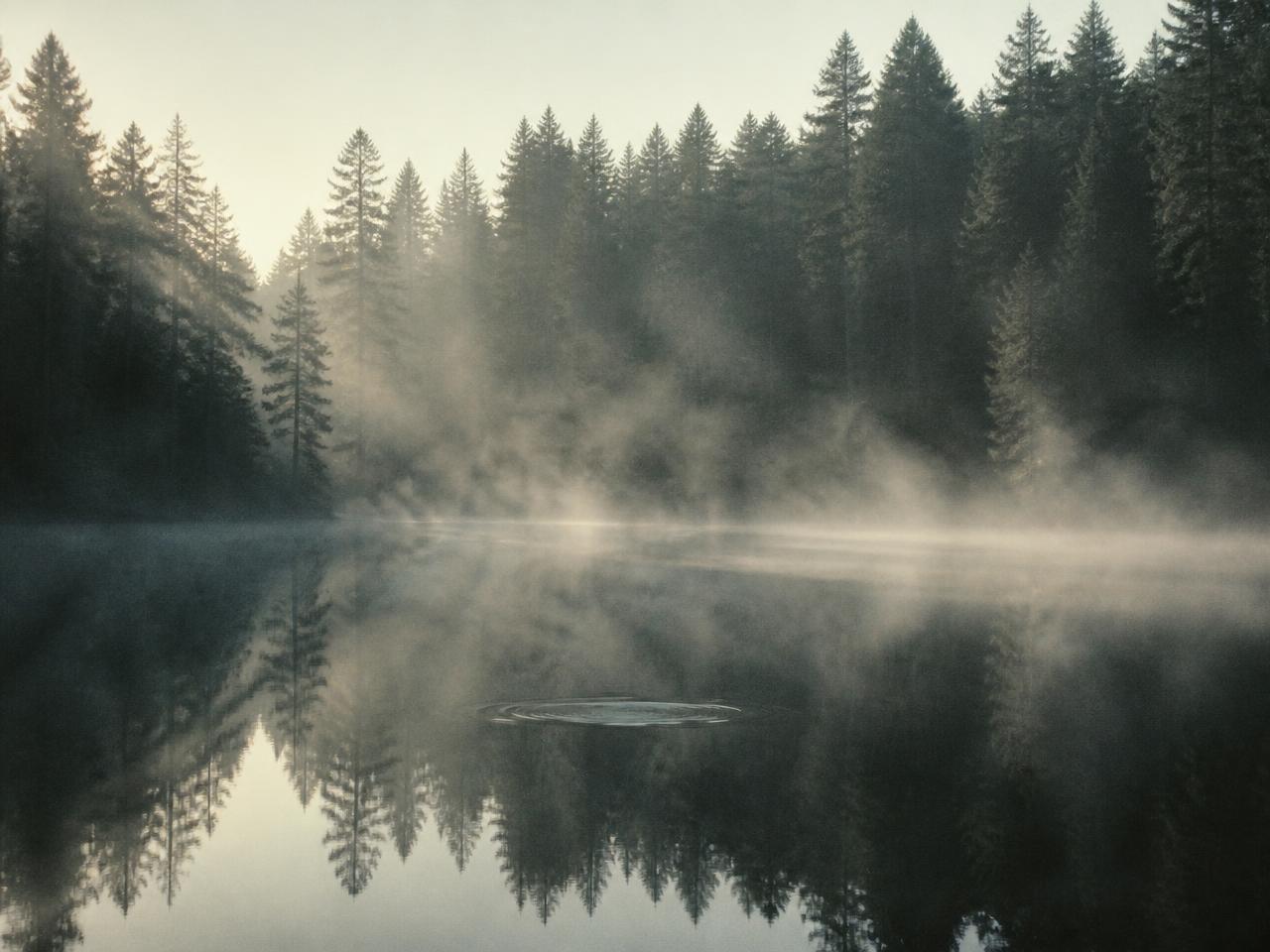
How did Kerala's backwater civilizations engineer agriculture below sea level?
The Kuttanad delta forms one of the rare agricultural landscapes worldwide where farming is conducted 1.2 to 3 meters below mean sea level. Communities engineered earthen polders, bio-salinity gates, and coir-stitched boats that work with seasonal saltwater intrusions rather than resisting hydrological flux.
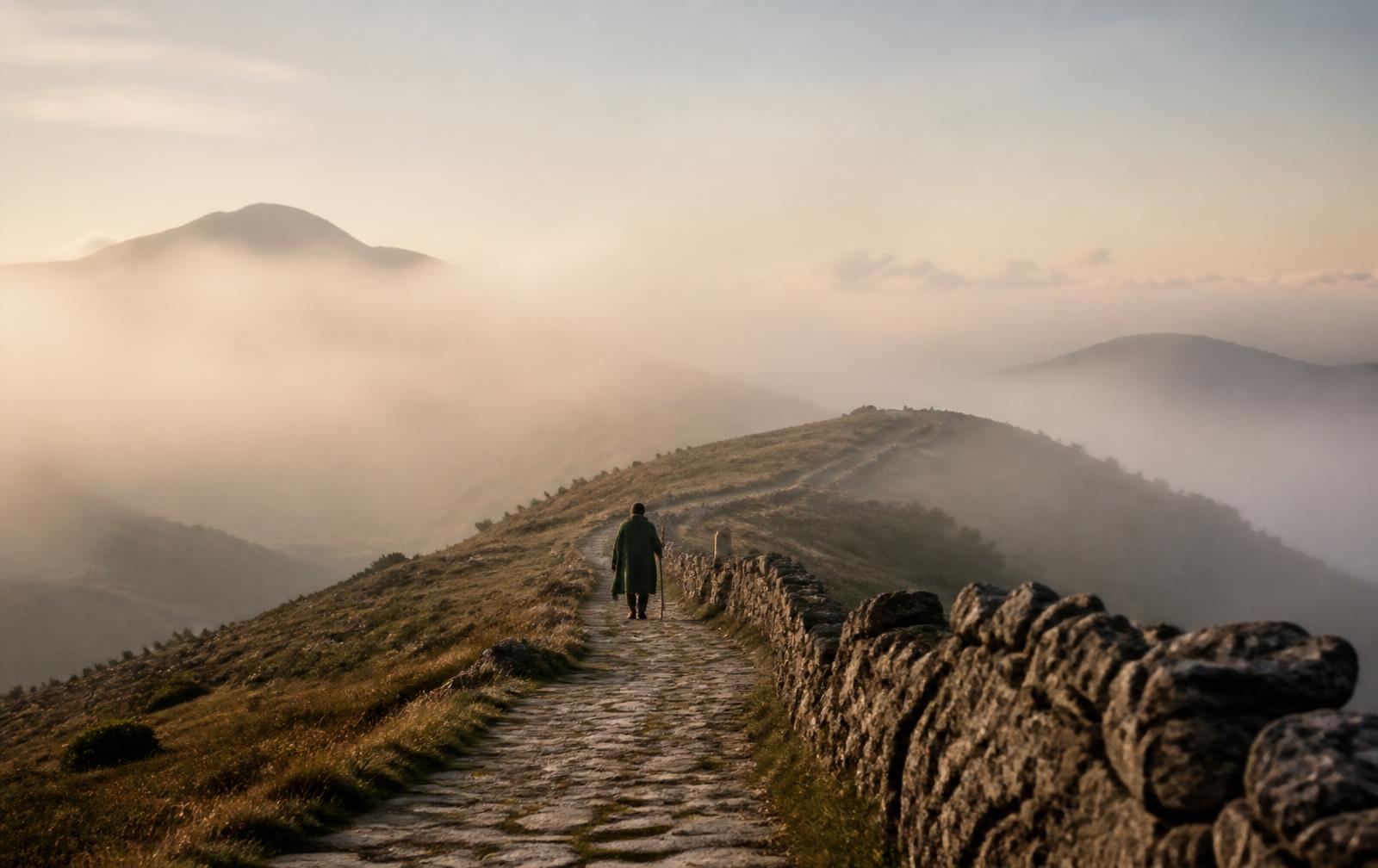
How do living root bridges grow stronger through monsoon flooding?
Trained through hollowed betel-nut trunks across roaring rivers, the aerial roots of Ficus elastica undergo continuous inosculation (self-grafting) over decades. Unlike steel or concrete that decays under Meghalaya's world-record rainfall, living root bridges grow stronger and more resilient with age.
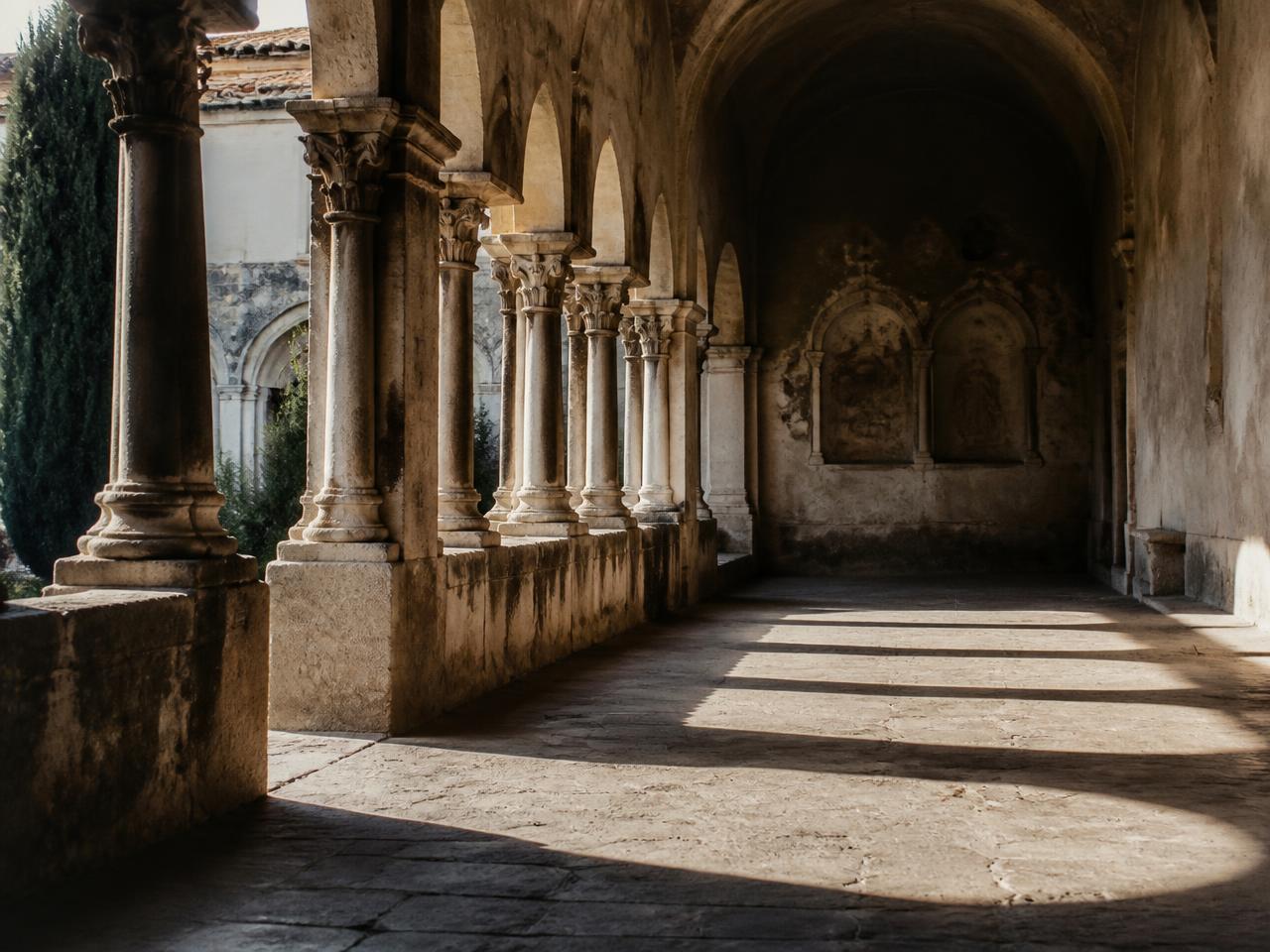
Why does the Aranmula metal mirror eliminate optical refraction?
Unlike modern float-glass mirrors where silver backing reflects light through a glass sheet—creating dual reflection (ghosting) and chromatic dispersion—the Aranmula Kannadi reflects light directly from its polished bronze face, achieving absolute specular clarity.
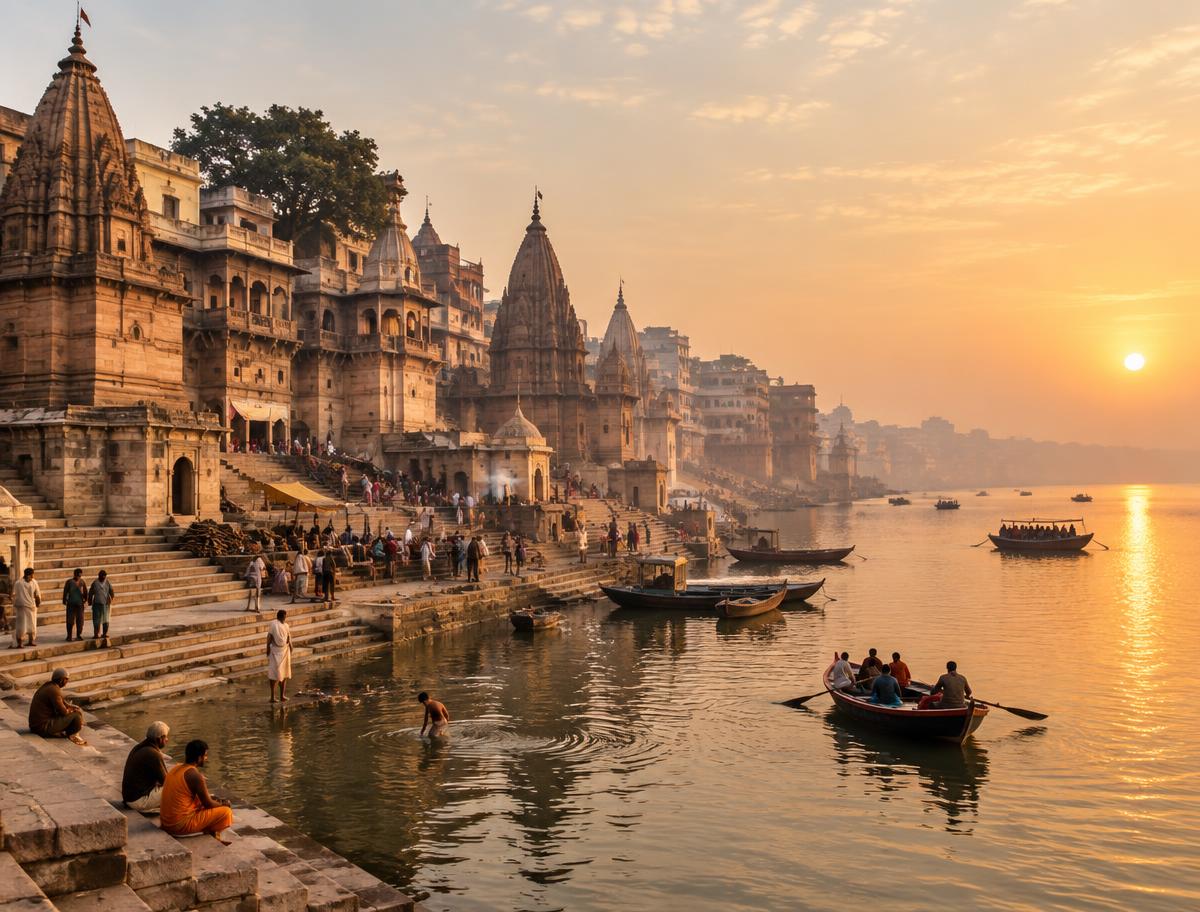
What geographic and philosophical convergence made Varanasi continuously inhabited for three millennia?
Positioned along an anomalous northward crescent bend (Uttravahini) of the Ganges River, Varanasi sits upon lime-kankar limestone bluffs that resist monsoon erosion. Archaeological strata at Rajghat document continuous urban habitation from at least the 9th century BCE.
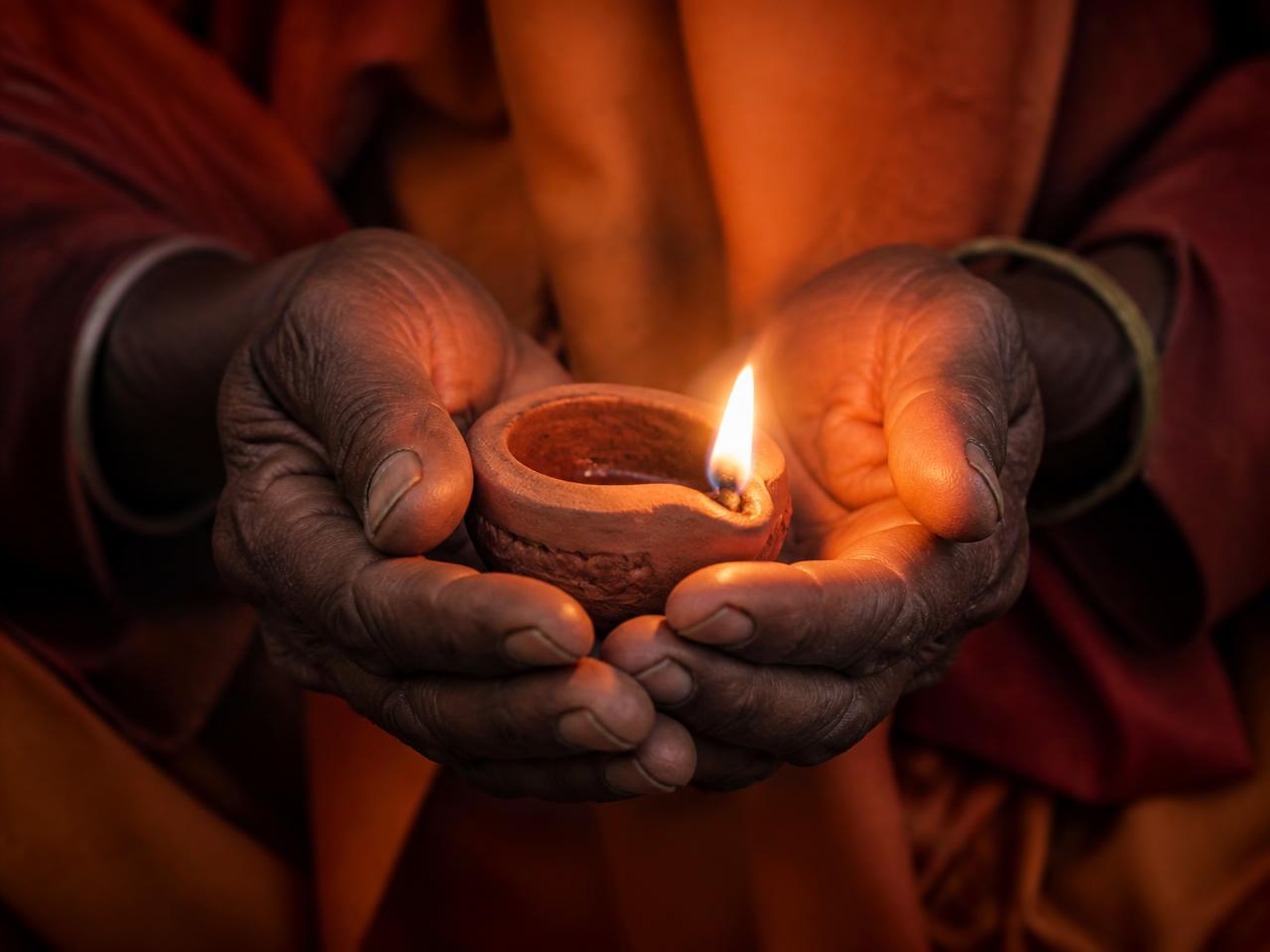
What ritual symbolism governs the multi-tiered brass lamps at river ghats?
Performed every evening at twilight (Sandhya), the Ganga Aarti utilizes tiered brass lamps with 21 or 108 wicks, circled in rhythmic synchronization by hereditary priests. The ritual inverts fire from an altar onto the water, honoring the river as the cosmic mother of sustenance.
How does the Japanese tea ceremony transform functional hospitality into Zen metaphysics?
Codified by master Sen no Rikyu in 16th-century Japan, Chanoyu synthesizes the Zen philosophy of ichigo ichie ('one time, one meeting'). Every element—from the low crawling door that equalizes social rank to the imperfect black ceramic bowl—cultivates complete mindfulness of impermanence.
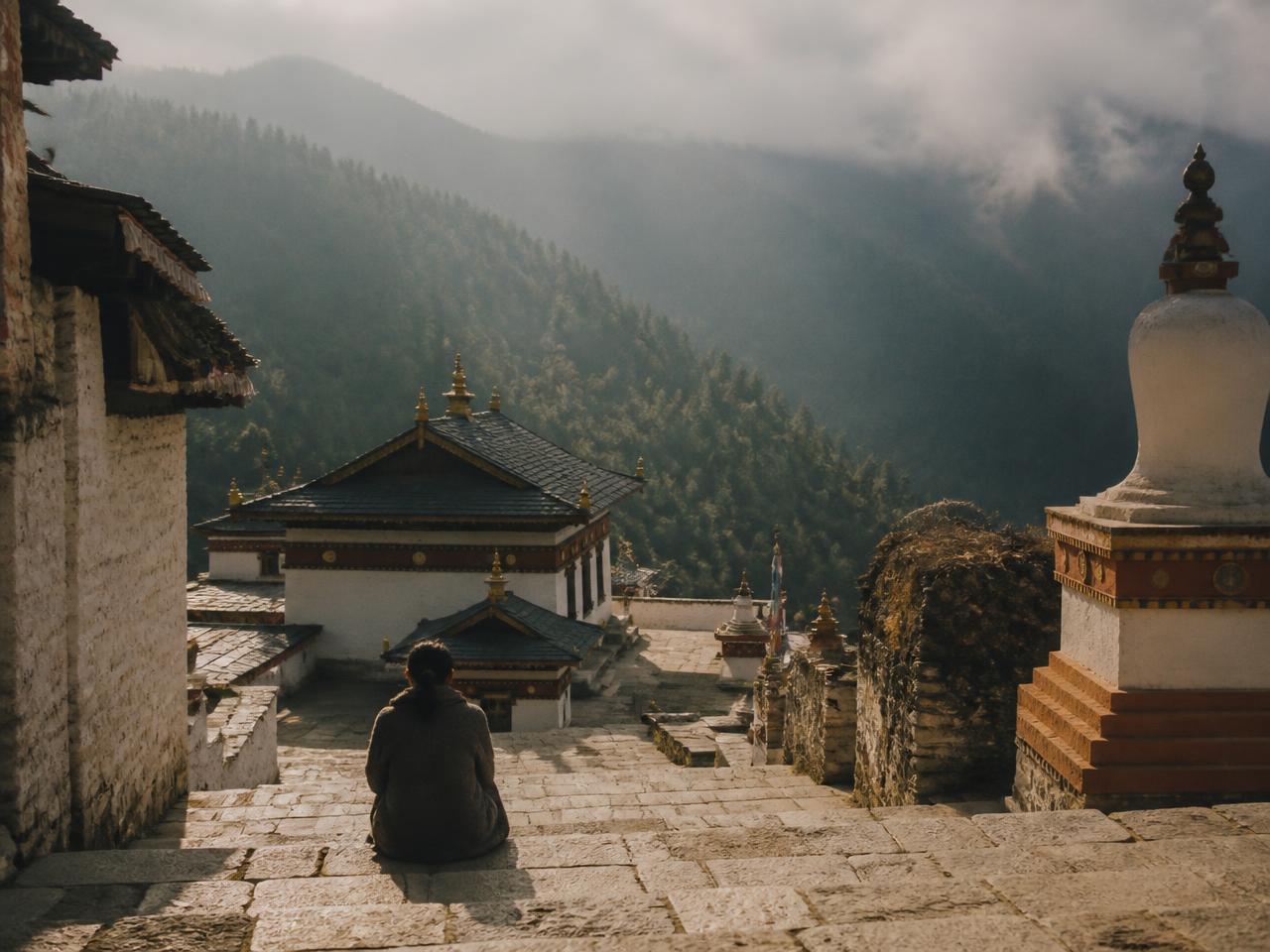
How did a 15th-century desert faith create the world's first recorded tree protection martyrs?
Formulated in 1485 CE by Guru Jambheshwar in the arid Thar Desert, the Bishnoi faith enforces 29 commandments that forbid felling green trees and harming desert fauna. In 1730 CE at Khejarli, 363 Bishnois sacrificed their lives clinging to trees before royal axes.

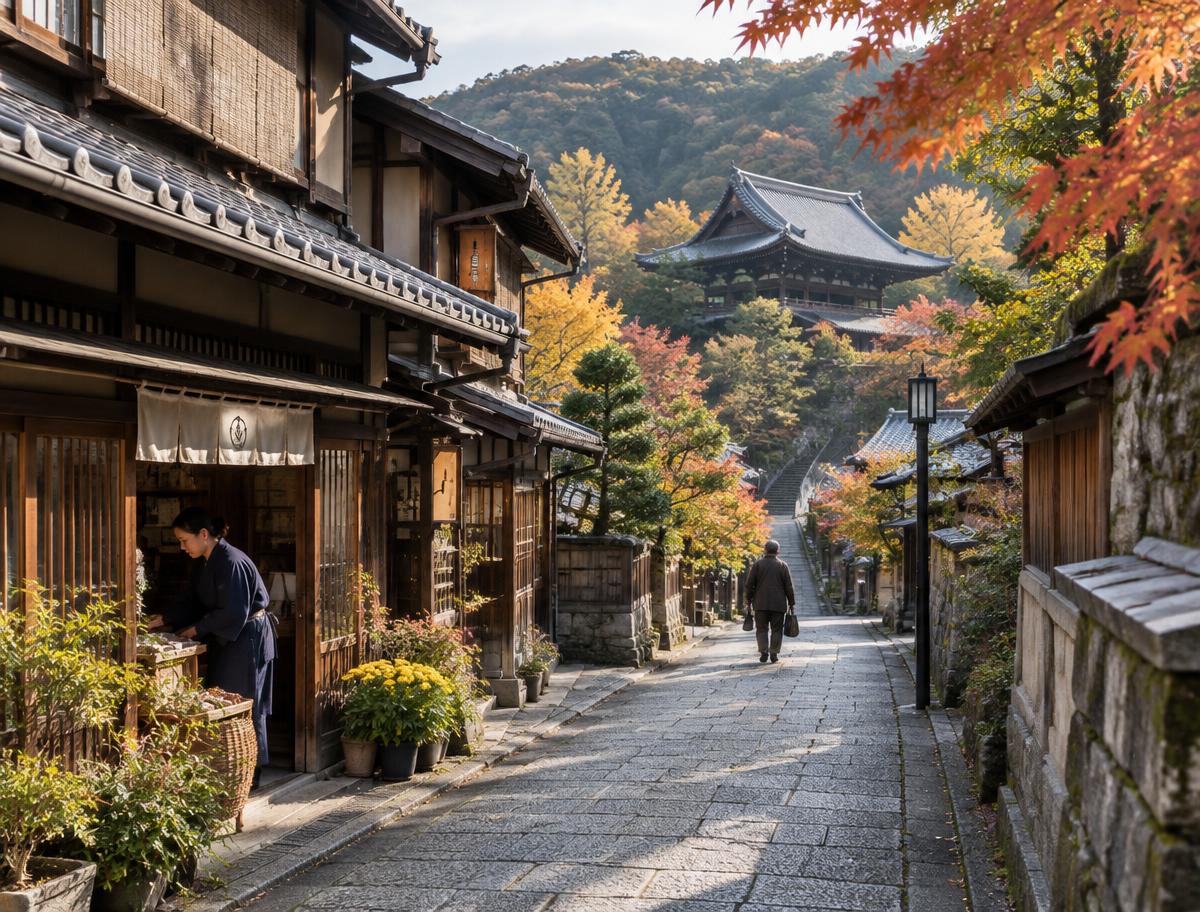
How do traditional Kyoto machiya absorb seismic shocks without steel fasteners or concrete?
Constructed entirely without metallic nails or bolts, traditional Kyoto wooden townhouses (Machiya) rest upon unanchored stone plinths. During earthquakes, the mortise-and-tenon timber joints flex and sway, dissipating seismic energy through joint friction rather than brittle resistance.
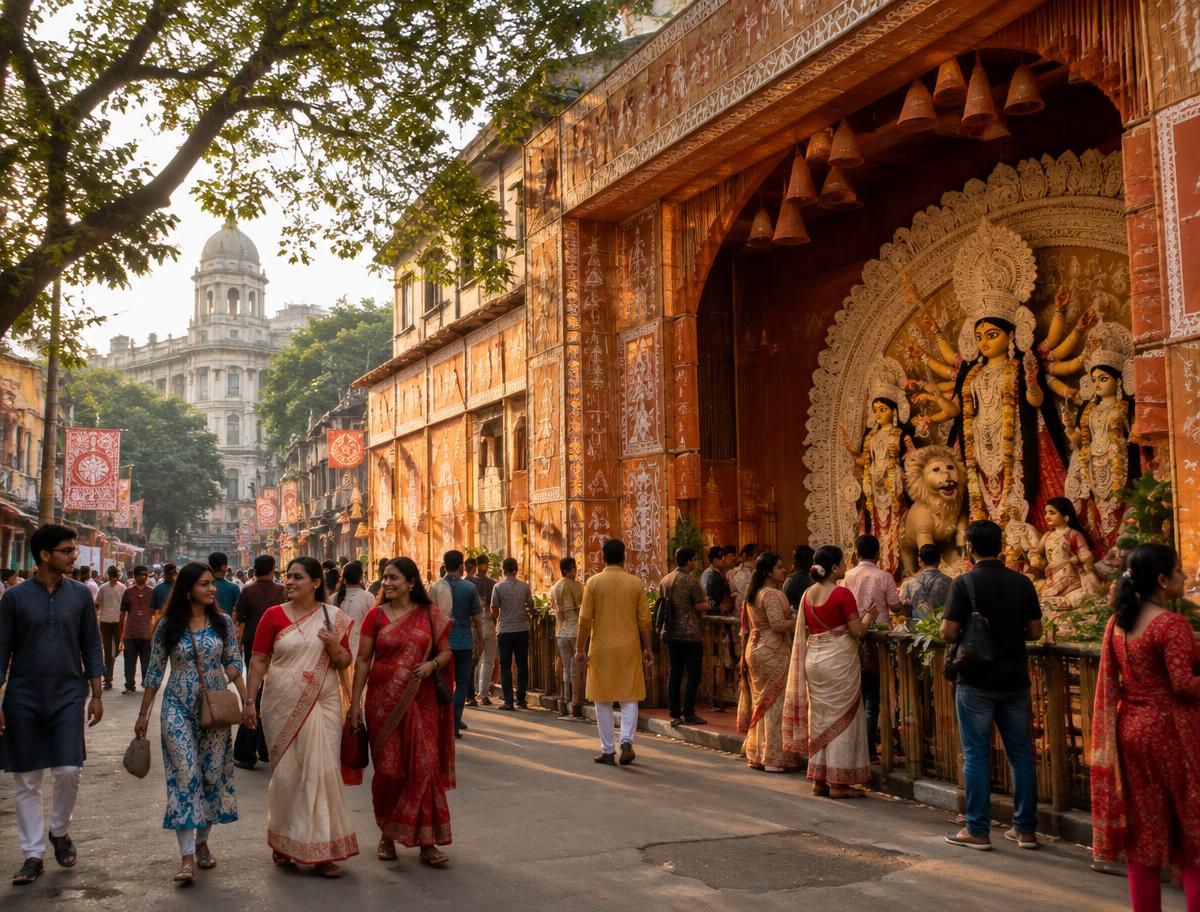
Why are Kolkata's sacred Durga festival sculptures designed for intentional dissolution?
In Kumartuli along the Hooghly River, generational potters sculpt monumental Durga idols from river mud, organic straw, and chalk binders—deliberately crafted to dissolve back into the water at Bisarjan, enacting the Shakta philosophy that divine cosmic form arises from nature and must return to nature.
How do Oaxacan weavers transform parasitic cactus insects into thousands of scarlet hues?
Cultivated on the nopal cactus, female cochineal insects (Dactylopius coccus) produce carminic acid. Zapotec master dyers in Teotitlán del Valle hand-grind the sun-dried insects, modulating dye bath pH with lime juice or wood ash to generate a chromatic spectrum from fiery orange to imperial purple.
How have 1,000-year-old stone dye pits in Fez tanned leather without synthetic chemicals?
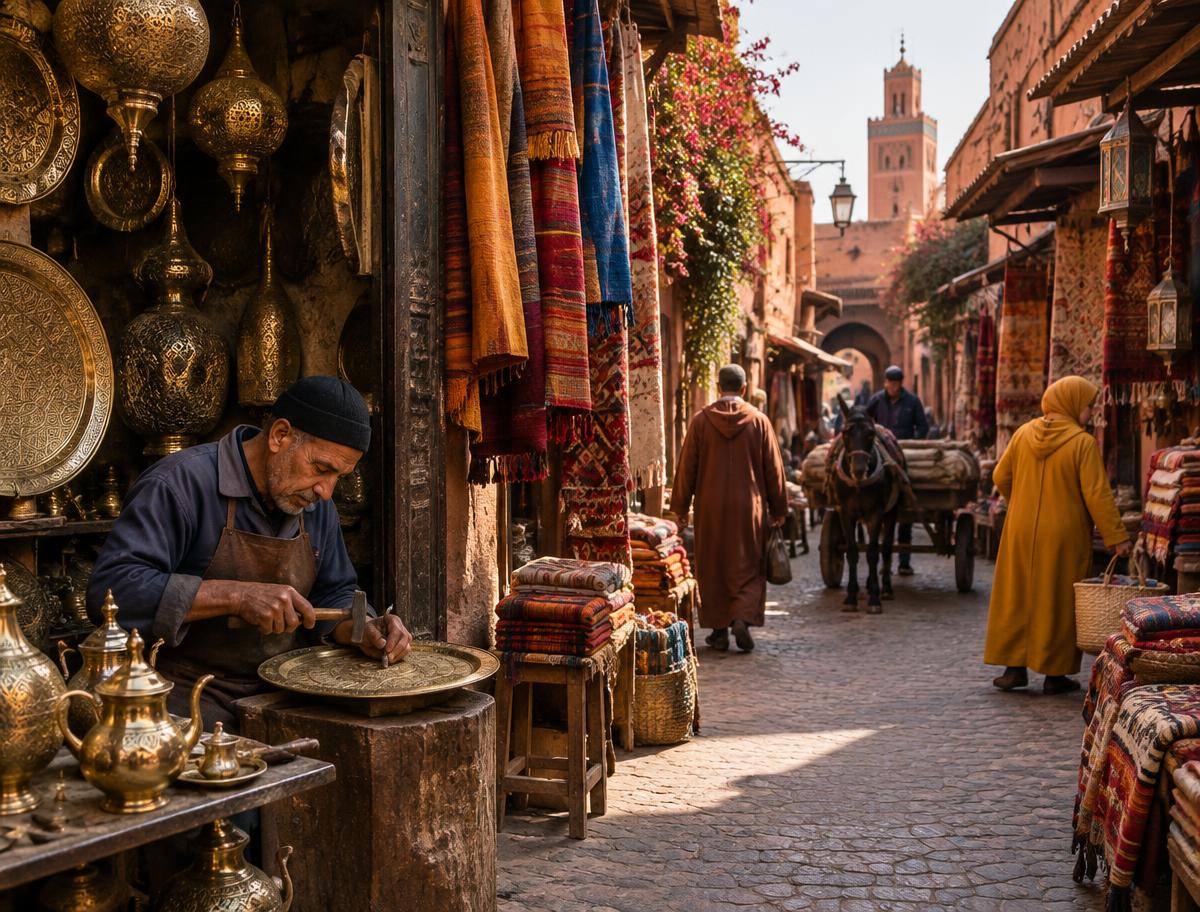
Operating continuously since the 11th century within the UNESCO-inscribed Medina of Fez, Chouara's honeycomb stone vats utilize natural biochemistry. Hides are softened in limestone and pigeon droppings rich in proteolytic enzymes, then hand-kneaded with botanical dyes.
How did Vedic India and ancient Persia diverge and converge in their sanctification of fire?
Both Vedic Indic Agnihotra/Aarti and Zoroastrian Atash Behram descend from shared Proto-Indo-Iranian rituals revering fire as the living witness of cosmic truth (Rta in Sanskrit, Asha in Avestan). Yet their civilizational evolution diverged: Indic ritual cycles transient fire before flowing rivers, while Zoroastrianism shelters permanent consecrated flames from human breath.
Why did Japanese master carpenters and Himalayan builders both invent nail-free seismic timber architecture?
Separated by thousands of miles but united by high seismic hazards and montane forest ecosystems, Japanese Kigumi joinery and Himalayan Kath-Kuni architecture independently developed nail-free mortise-and-tenon construction. Both systems utilize timber elasticity and friction to absorb earthquake shocks without brittle collapse.