

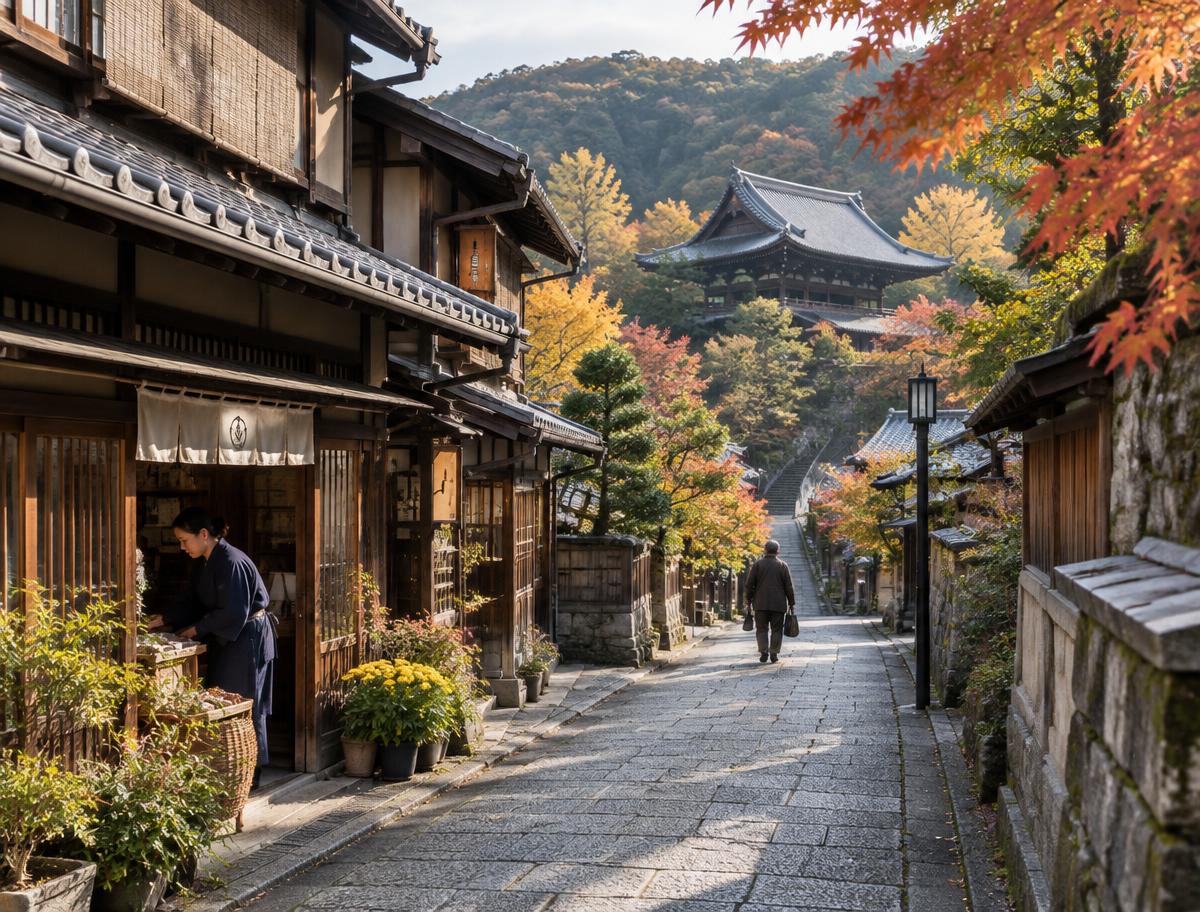
Preserved Zen tea pavilion gardens and sanctuary architecture, historic Kyoto
Kyoto Prefecture, Japan

Preserved Zen tea pavilion gardens and sanctuary architecture, historic Kyoto

Practices
Zen Mindfulness & Seasonal Hospitality
Verified Stewardship

The Way of Tea (Chanoyu)

Uji & Kyoto, Japan

A ceremonial preparation and presentation of powdered green tea (matcha) centered on mindfulness, mutual respect, and tranquility.

Why It Matters & Living Continuity

Chanoyu, commonly known in English as the Japanese tea ceremony, evolved from Zen Buddhist meditative practices and was codified by master Sen no Rikyu in the 16th century. It emphasizes four primary principles: harmony (wa), respect (kei), purity (sei), and tranquility (jaku). Every aspect—from the garden path (roji) to the hand-turned ceramic chawan (tea bowl) and bamboo whisk—cultivates complete presence in a fleeting, once-in-a-lifetime encounter (ichigo ichie).

Cultural Inquiries & Questions

Explore Ask EKA

Related Regional Traditions

View directory

Community Stories & Field Notes

Firsthand cultural perspectives and documented living practices from this region.

Add story

Be the first to share a reflection from The Way of Tea (Chanoyu)

Have you observed this living tradition or visited this cultural landmark? Share your photography, field notes, or oral history.

Share Your Story
EKA — Living Cultural IntelligenceEKACULTURAL INTELLIGENCE

Explore places. Meet people. Understand traditions. Ask why.

Built on provenance, verified human traditions, ethical stewardship, and the open wisdom of humanity. No synthetic cultures, no algorithmic homogenisation.

Respecting Personal Privacy & Cultural Heritage Rights

Legal & Grievance Notice: In full compliance with the Digital Personal Data Protection Act, 2023 (DPDP Act) and international privacy standards. For personal data rights, consent withdrawal, content grievances, or copyright notices, contact our Grievance Desk at grievance@eka.earth. Non-medical disclaimer: Practices, discussions, and reflections on EKA are educational and contemplative in nature and do not substitute for professional medical, psychological, financial, or legal advice.

© 2026 EKA Cultural Knowledge Systems. One Within - One With All.
English